Human Rights Code address systemic discrimination
Systemic discrimination is often more complex and less visible than individual acts of bias, yet it can have far-reaching effects on entire groups of people. It refers to patterns of behavior, policies, or practices that are embedded within organizations or institutions and result in unequal outcomes for certain groups. The Human Rights Code Ontario plays a critical role in addressing this form of discrimination by recognizing that inequality is not always the result of intentional actions but can also arise from structures that disadvantage specific communities over time.
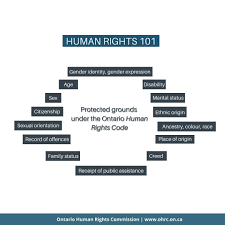
The Human Rights Code Ontario is designed to go beyond addressing isolated incidents and instead tackle the broader conditions that allow discrimination to persist. It acknowledges that seemingly neutral rules or procedures can have a disproportionate impact on individuals based on protected grounds such as race, gender, disability, or religion. For example, a workplace policy that requires rigid working hours may unintentionally exclude individuals with caregiving responsibilities or certain disabilities. By identifying and challenging these systemic barriers, the Code promotes a more inclusive and equitable environment.
One of the key ways the Human Rights Code Ontario addresses systemic discrimination is through its emphasis on substantive equality. Rather than treating everyone the same, the Code recognizes that different individuals may require different approaches to achieve equal outcomes. This perspective encourages organizations to examine their policies and practices critically and to make adjustments where necessary. It shifts the focus from formal equality to real-world impact, ensuring that fairness is measured by results rather than intentions.
The duty to accommodate is another important tool under the Human Rights Code Ontario for addressing systemic discrimination. Organizations are required to take reasonable steps to remove barriers that prevent individuals from fully participating in workplaces, housing, or services. This duty extends beyond individual cases and can lead to broader changes in policies and practices. For instance, implementing flexible work arrangements or improving accessibility features can benefit not just one person but an entire group facing similar challenges.
The Human Rights Code Ontario also empowers individuals and groups to bring forward complaints that highlight systemic issues. When such cases are heard, decision-makers can examine patterns of behavior and organizational structures rather than focusing solely on a single incident. This allows for a deeper understanding of how discrimination operates and creates opportunities for meaningful change. In some cases, evidence such as statistical data or historical practices may be used to demonstrate systemic inequality.
Can the Human Rights Code address systemic discrimination?
Remedies under the Can I be fired while on long term disability Canada are particularly important in addressing systemic discrimination. In addition to compensating individuals, tribunals can order organizations to implement wide-ranging changes. These may include revising hiring practices, introducing diversity and inclusion training, or developing new policies that promote equity. Such remedies are designed to eliminate the root causes of discrimination and prevent future occurrences, making them a powerful tool for long-term reform.
Education and awareness also play a significant role in tackling systemic discrimination through the Human Rights Code Ontario. Organizations are encouraged to provide training and foster open dialogue about diversity, inclusion, and unconscious bias. By increasing understanding of how systemic discrimination operates, individuals and institutions can take proactive steps to identify and remove barriers. This cultural shift is essential for creating environments where equality is not just a legal requirement but a shared value.
Another important aspect of the Human Rights Code Ontario is its influence on organizational accountability. Employers, landlords, and service providers are expected to regularly review their practices to ensure compliance with human rights standards. This ongoing responsibility helps prevent systemic issues from developing or continuing unchecked. It also reinforces the idea that addressing discrimination is not a one-time effort but a continuous process.
Ultimately, the Human Rights Code Ontario provides a comprehensive framework for addressing systemic discrimination by combining legal protections, proactive obligations, and meaningful remedies. It recognizes that true equality requires more than addressing individual complaints; it requires examining and transforming the systems that shape people’s experiences. By doing so, the Code helps build a more inclusive society where all individuals have the opportunity to participate fully and fairly.
